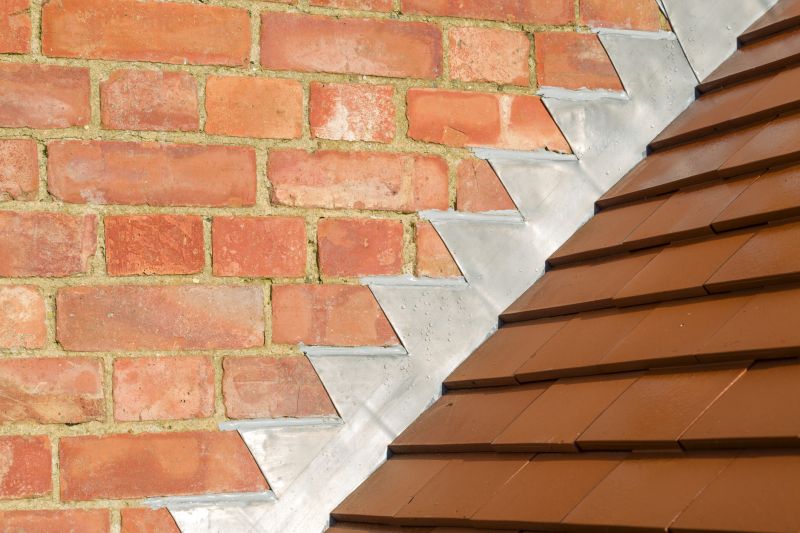
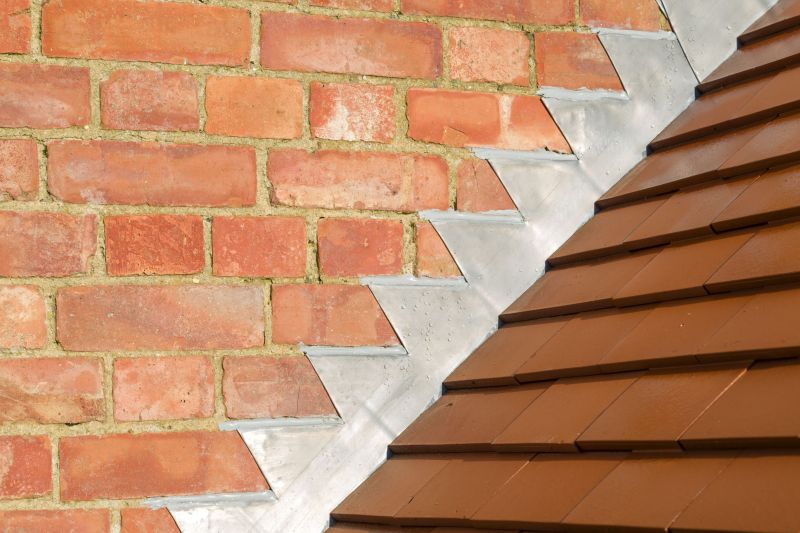
Importance Of Roof Flashing
Proper flashing helps prevent water leaks and protects your roof structure.
Common Flashing Materials
Materials like aluminum, copper, and galvanized steel are used to create durable, weather-resistant flashing.
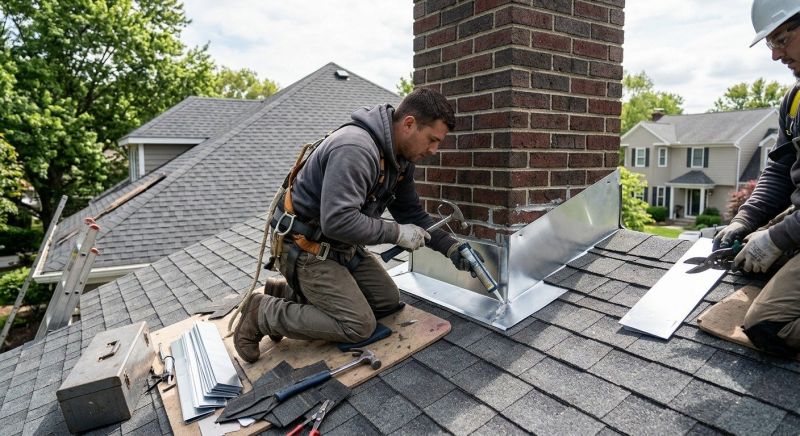
Signs You Need Flashing Repairs
Visible rust, cracks, or water stains around roof joints may indicate the need for flashing replacement or repair.
Roof Flashing Installation in Bridgeport, CT
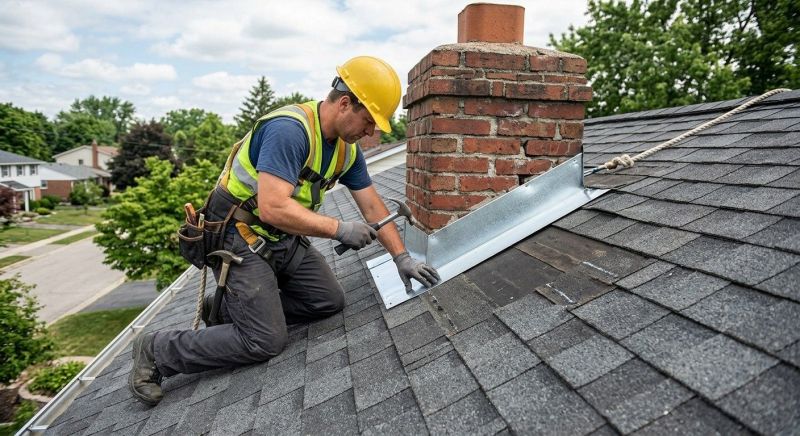
Roof flashing installation is a vital service that helps protect a home from water intrusion by sealing joints, edges, and vulnerable areas on the roof. This process involves installing thin pieces of material, such as metal or other durable substances, around roof features like chimneys, vents, skylights, and valleys. Properly installed flashing prevents leaks and water damage, especially in areas prone to heavy rain or snow. Homeowners often request this service during new roof construction, roof repairs, or when updating aging flashing to ensure their property remains protected from moisture-related issues.
Before requesting roof flashing installation, property owners typically want to understand the types of materials used, the areas that require flashing, and how the installation process will integrate with their existing roof system. It’s also common to inquire about the durability and maintenance of different flashing materials. Clear communication about the scope of work and the importance of correctly sealed joints can help homeowners make informed decisions to safeguard their home’s structure and prevent costly water damage over time.
Many property owners in Bridgeport, CT look into Roof Flashing Installation for repairs, replacements, upgrades, and appearance-related improvements.
Common Roof Flashing Installation Jobs
Roof flashing installation helps prevent water infiltration around roof penetrations and joints.
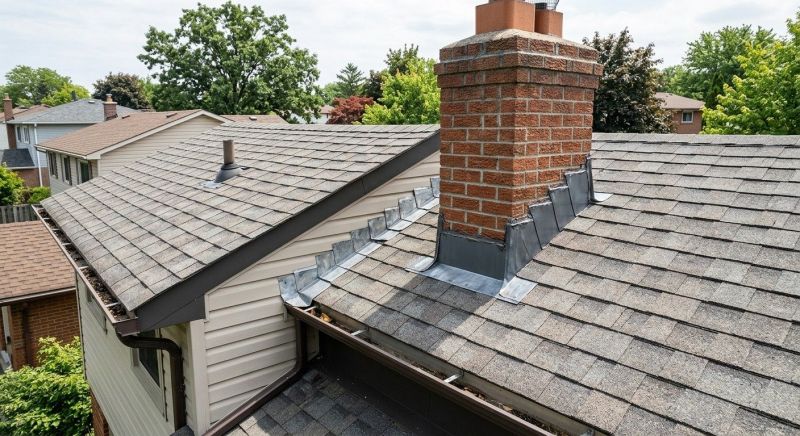
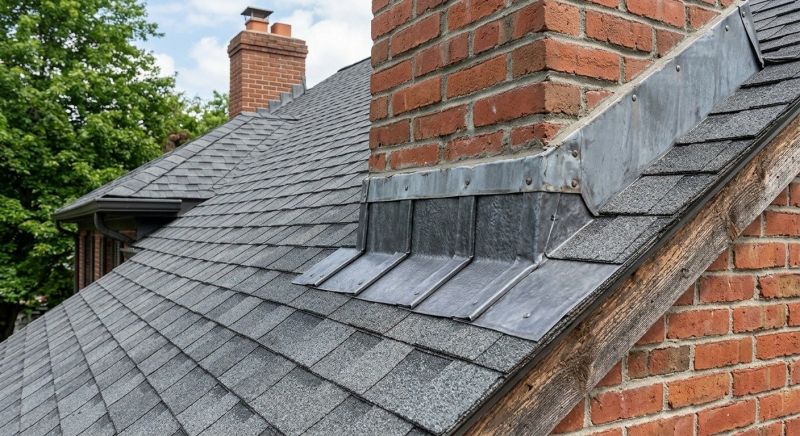
Chimney flashing protects the area where the chimney meets the roof from leaks and water damage.
Valley flashing directs water away from roof valleys to reduce the risk of leaks and structural damage.
Vent pipe flashing seals around vent pipes to prevent water from seeping into the attic or living space.
Skylight flashing ensures a watertight seal around skylights to avoid leaks and interior damage.
Step flashing provides a layered barrier along roof edges and walls for effective water runoff control.
Roof Flashing Installation Questions
What is roof flashing installation? Roof flashing installation involves placing metal or other weatherproof materials around roof features to prevent water intrusion and protect the structure.
Why is proper flashing important? Proper flashing helps prevent leaks, water damage, and mold growth by directing water away from vulnerable areas of the roof.
What areas typically require flashing installation? Flashing is commonly installed around chimneys, vents, skylights, and roof valleys to ensure these joints are sealed against water penetration.
How can I tell if my roof needs new flashing? Signs include water stains on ceilings, rust or corrosion on existing flashing, or damaged, loose, or missing flashing around roof features.
Request Roof Flashing Installation in Bridgeport, CT
Use the quote form on this page to share the basics of your project and request more information for the type of work you need.